Clynder's four Holiday Homes
 THE small village of Clynder once boasted four houses serving as holiday homes.
One was Hillside Holiday Home, while three others comprised The Grove Holiday Homes.

THE small village of Clynder once boasted four houses serving as holiday homes.
One was Hillside Holiday Home, while three others comprised The Grove Holiday Homes.
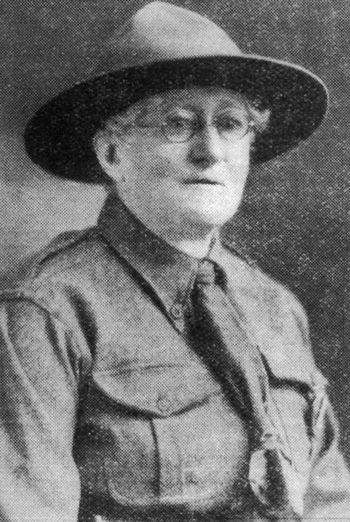 TWO streets in the Greenfield Housing Estate in the village of Garelochhead bear the names of village women — Mary Browne Walk and Francis Hendry Walk.
Mary Browne and Francis Hendry are remembered as great friends and benefactors of the village. When people ask about the names, there is quite a story to tell.
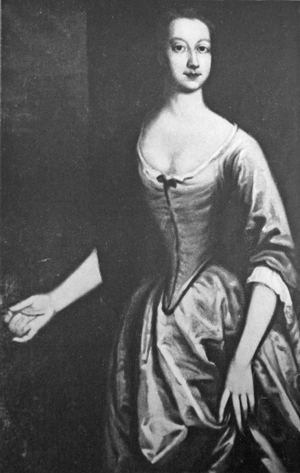 HELENSBURGH has a fascinating history . . . and part of it is the fact that it can be traced from its beginning in 1776 through the aspirations of one family, the Colquhouns of Luss.
A pleasant line of research is to walk around the town noting the street names while being aware of names that had been proposed by succeeding lairds and their architects, and pondering why some had not been accepted.
AN EXPLANATION has been found for why areas at Camis Eskan, Helensburgh, are named Sawmill Field and Railway Glen.
The questions arose after Heritage Trust member Pat Wiseman read in May 2014 about land for future housing including Sawmill Field at Cardross Road, below Mill House, in an Argyll and Bute Council Local Development Notice.

THE picturesque if decrepit Tamnavoulin Cottage in Glen Fruin was sold in 2015 by owners Luss Estates.
The Glasgow office of estate agents Savills invited offers over £140,000, as planning permission had been obtained for a more modern dwelling, but the property sold for £97,123 to a private buyer.
 CUP and ring marks — a form of prehistoric art — have been found on rocks at Luss and many other places in the West of Scotland.
But the last place Helensburgh website designer Jim Chestnut expected to find an example was near Helensburgh Upper Station.
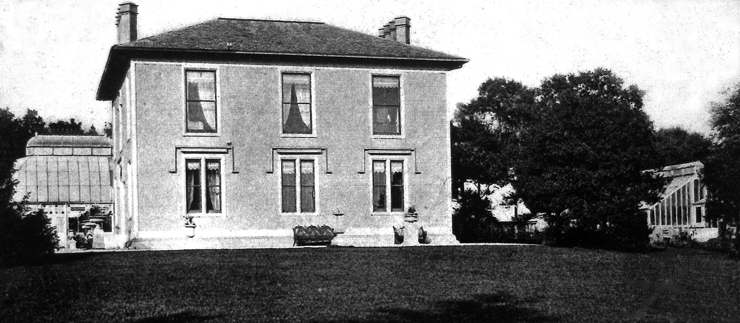
THE STORY of Helensburgh’s Hermitage House goes back to 1838, when Robert Fulton Alexander, a merchant in Glasgow, feued two sizeable portions of land in the Barony of Milligs from the landowner, Sir James Colquhoun.
These pieces of land were presumably next to each other, and they were included in the same land deed.

WEST SHANDON HOUSE, the home of the father of Clyde shipbuilding, Robert Napier, was Helensburgh and district’s biggest and best mansion.
The imposing structure was built over a period of years in the mid-19th century, and in its later years became Shandon Hydro.
 HELENSBURGH pays tribute to the fallen of two World Wars and other conflicts on Remembrance Sunday.

AN ICONIC feature of Helensburgh is Colquhoun Square.
That the Square was intended to form a distinctive feature right at the outset of the infant town is clearly shown by its presence on the earliest existing street plans, dating from the start of the 19th century.
 ONE of the lesser known addresses in Helensburgh is Milton Place.
It has the unusual distinction of having been owned by only two businesses in a century.

HERMITAGE PARK was originally called Cramb Park after the Cramb Family who owned Hermitage House, which stood where the pagoda now stands.
The Hermitage name is supposed to come from a hermit’s well that lies in the north east of the park.